Wavelength — on waiting under artificial light
Long note · 9 August 2026
Fluorescent light does not warm a room; it clarifies it. Clarification can feel like kindness when you need to read labels, and like accusation when you stand under it tired.
I wait under tubes more than I wait under sun: lift lobbies, clinic queues, late-night printing shops. Each venue shares the same pale hum, a frequency my teeth register before my ears name it.
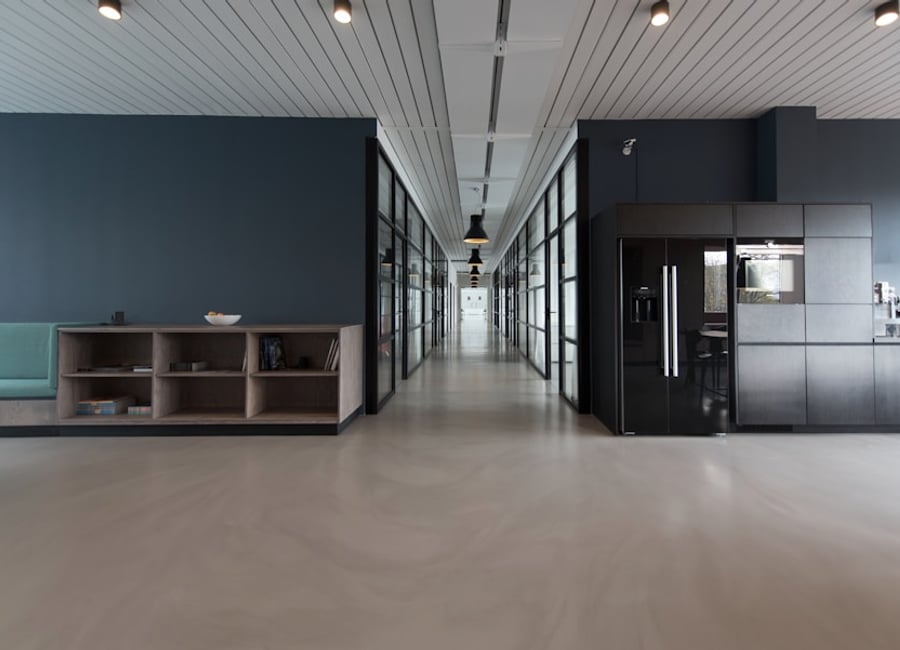
Colour temperature here skews cold porcelain — close to the palette I chose for this site. That coincidence is not branding; it is noticing recurring materials until they become vocabulary.
Waiting changes when light buzzes. Minutes stretch because shadows are banned. Faces look more honest and more exhausted simultaneously. I watch people scroll phones not to escape waiting but to measure it.
In Tanglin Halt Market before dawn, stall holders switch on tubes in sequence. The sequence is choreography: first meat, then vegetables, then dry goods. Light order predicts commerce order.
Wavelength as title refers to both light physics and emotional reach — how far a mood travels from one person to another in a shared corridor. Sometimes not far; sometimes across a week.
I remember school hallways with the same tubes, same hum, different decade. Bodies grow; light fixtures persist. Nostalgia attaches to hum more than to wallpaper because hum repeats reliably.
Photography struggles with fluorescent cast. Images turn green-grey unless corrected. Writing accepts the cast as truth — unglamorous, faithful, anti-sunset.
When a tube flickers, everyone looks up as if sky events matter indoors. Flicker means replacement soon, maintenance entering language, minor disruption scheduled.
I stand under a flickering tube at a bus interchange and decide to write this essay. Decision is always local — a body in a place choosing attention over numbness.
Some philosophers call waiting dead time. I reject that here. Waiting is live time if you describe it without rushing to justify productivity.
Clinic waiting rooms teach democracy of posture: everyone sits similar, screens glow similar, light flattens class markers until names are called. Then differentiation returns quietly.
At home I use warm lamps on purpose. Contrast teaches: cold light for public endurance, warm light for recovery. Recovery is not escape; it is calibration.
If you read only one long piece on Voice Drift Forge, let it be this one. Return to fragments for shorter pulses. Return here when you need a slower beam.
The essay ends without conclusion because waiting rarely concludes — it pauses until the next queue. I turn off my desk lamp and let the corridor tube finish the sentence.
Queenstown supplies endless waiting rooms: polyclinic numbers, bus interchange shade, lift lobbies when one car is down for servicing. Each venue teaches the same lesson differently — patience is sensory before it is moral.
I once timed a flicker cycle at forty-two seconds between dim pulses. The count gave me something to do besides checking messages. Counting is underrated as a waiting strategy because it avoids false productivity.
Art galleries use spotlights; HDB corridors use tubes. Both arrange seeing. I prefer the corridor version because it admits fatigue without hiding it behind drama.
If fluorescent hum ever disappears entirely in favour of silent LEDs, these notes will sound nostalgic. Nostalgia for hum is acceptable when documented honestly rather than romanticised.
Wavelength completes the Spread row set for August. Next additions may explore sound instead of light — lift dings, rain on awning fabric, MRT doors — but that is future work, not promise.